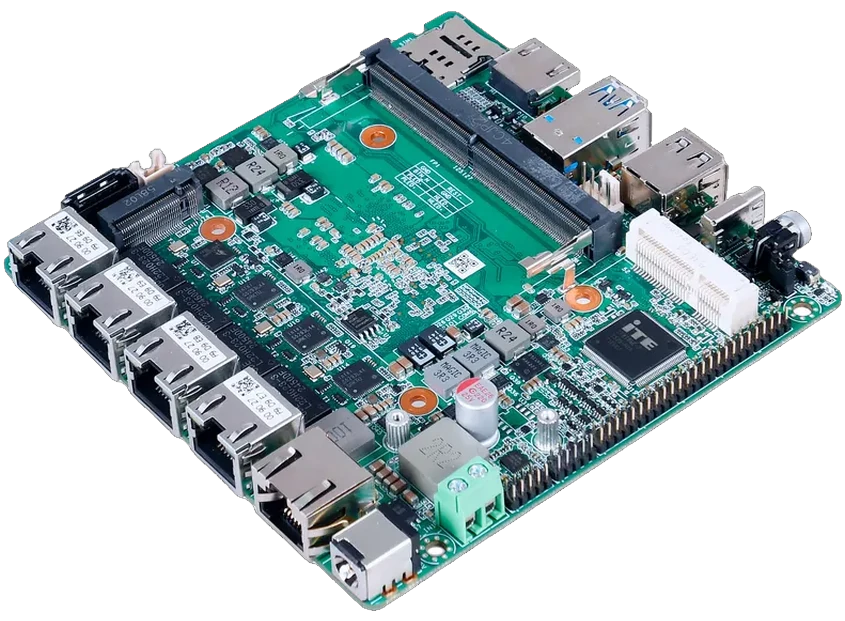
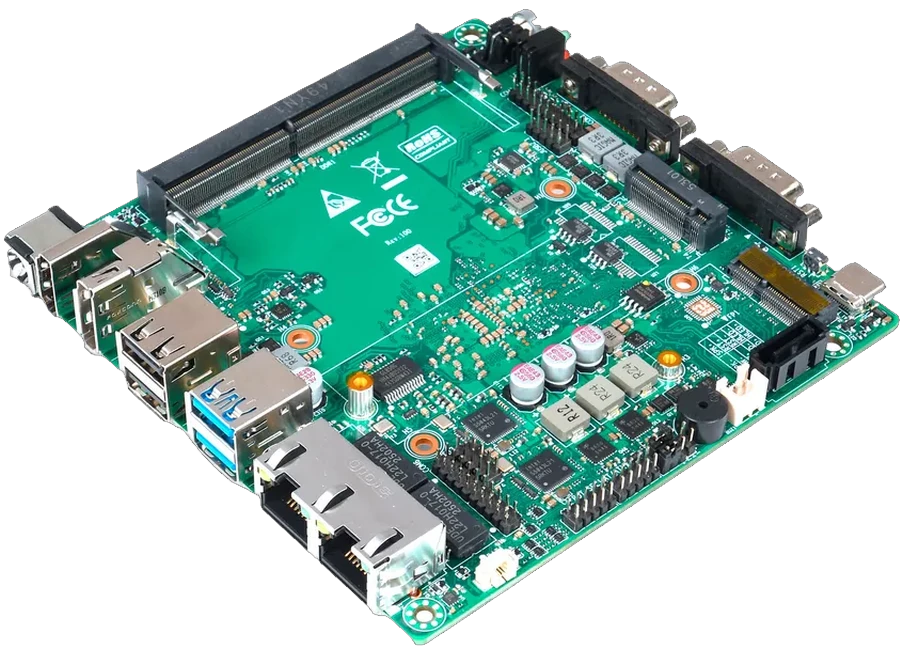
Industries / medical devices
The computing core for imaging, diagnostics and bedside systems.
These devices start with low power, a fanless enclosure and a board behind the barrier. The board is a component; patient isolation and the device certificate belong to the equipment maker.
Not medical-grade and not certified as a medical device; the device maker certifies.
Isolation and EMC numbers
- 2× MOPP at 240 V: ~8 mm creepage, 5 mm clearance
- 100 / 500 µA normal / single fault, system level
- 8 / 15 kV contact / air ESD, medical EMC
- 3 / 10 V/m immunity, professional / home environment
Sources: F28, F29, F30.
Requirement / interface
Low power first, then LAN and serial reach.
Imaging, diagnostics and bedside systems start with low power and a fanless enclosure. The board must fit, accept 12–19 V and expose LAN and COM. The barrier is designed around it, not by it.
- Power6 W N100; 15 W on PNM-5210
- InputDC 12–19 V; 9–36 V on PNM-5210
- Network2 on AD30NU; 4 on PNM-5210
- Serial2 on AD30NU; 5 on PNM-5210
Spec-to-model mapping
What each requirement buys, and what it does not.
| Requirement | Matching spec value | Model | What is not claimed |
|---|---|---|---|
| Low-power core | 6 W N100; N305 at 15 W | AD30NU | Not a medical-grade part |
| Peripheral LAN | 4 × LAN, 3 × i226-V + RTL8156B | PNM-5210 | No PoE unless ordered |
| Serial | 5 × COM, 2 × RS485 option | PNM-5210 | No isolated serial claimed |
| Compute headroom | 28 W Tiger Lake-U, DDR4 | TL500CA | Not a certified medical PC |
| DC input | 12–19 V | All three | Not a mains-isolated supply |
| Patient isolation | Barrier is equipment design | System side | Board does not provide 2× MOPP |
Isolation boundary / two zones
Patient side, board side, barrier.
The board sits behind the barrier; creepage and clearance belong to the device design.
Configuration example / not a named customer
An imaging cart, with the barrier outside the board.
A patient-connected probe sits behind a 2× MOPP barrier. AD30NU runs the interface at 6 W; PNM-5210 handles four LAN links. At 240 V, the barrier asks for ~8 mm creepage and 5 mm clearance; that spacing is enclosure work.
2× MOPPat 240 V: ~8 mm creepage, 5 mm clearance
Scenario, not a named customer.
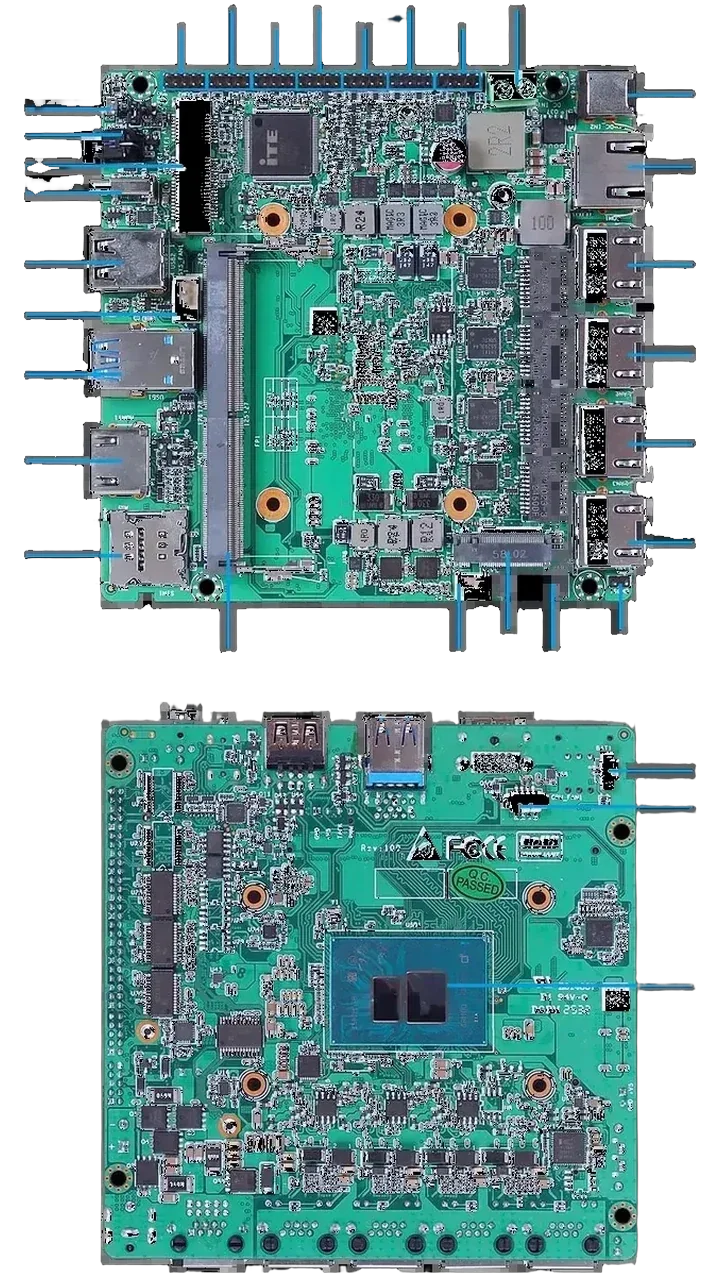
Board views / low-power envelopes
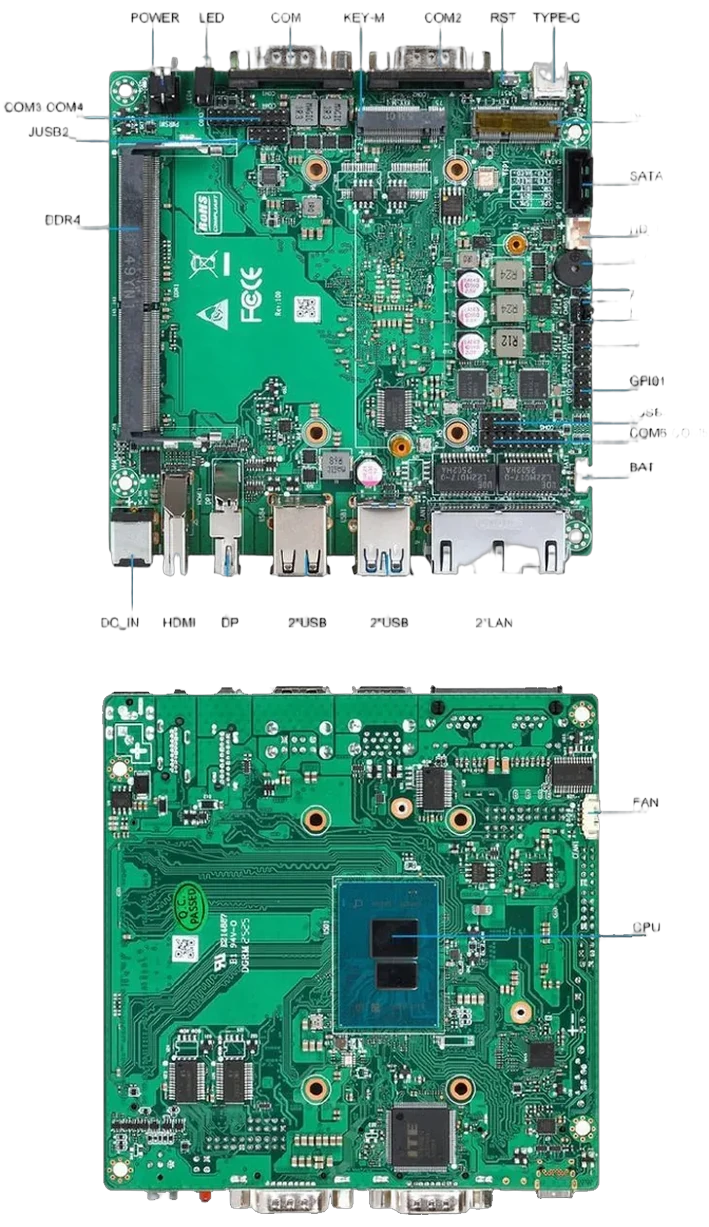
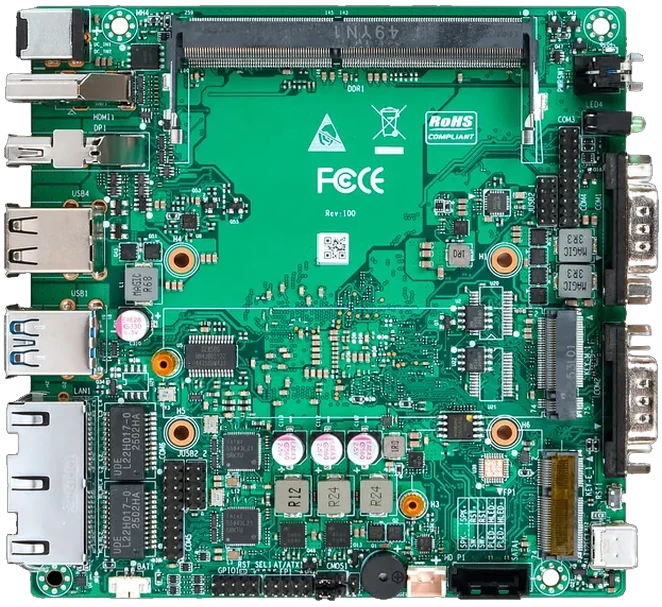
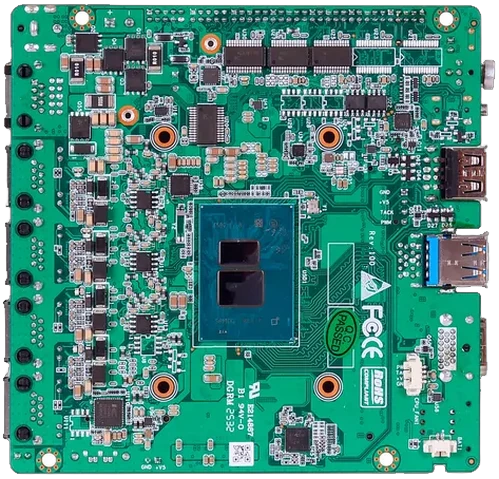
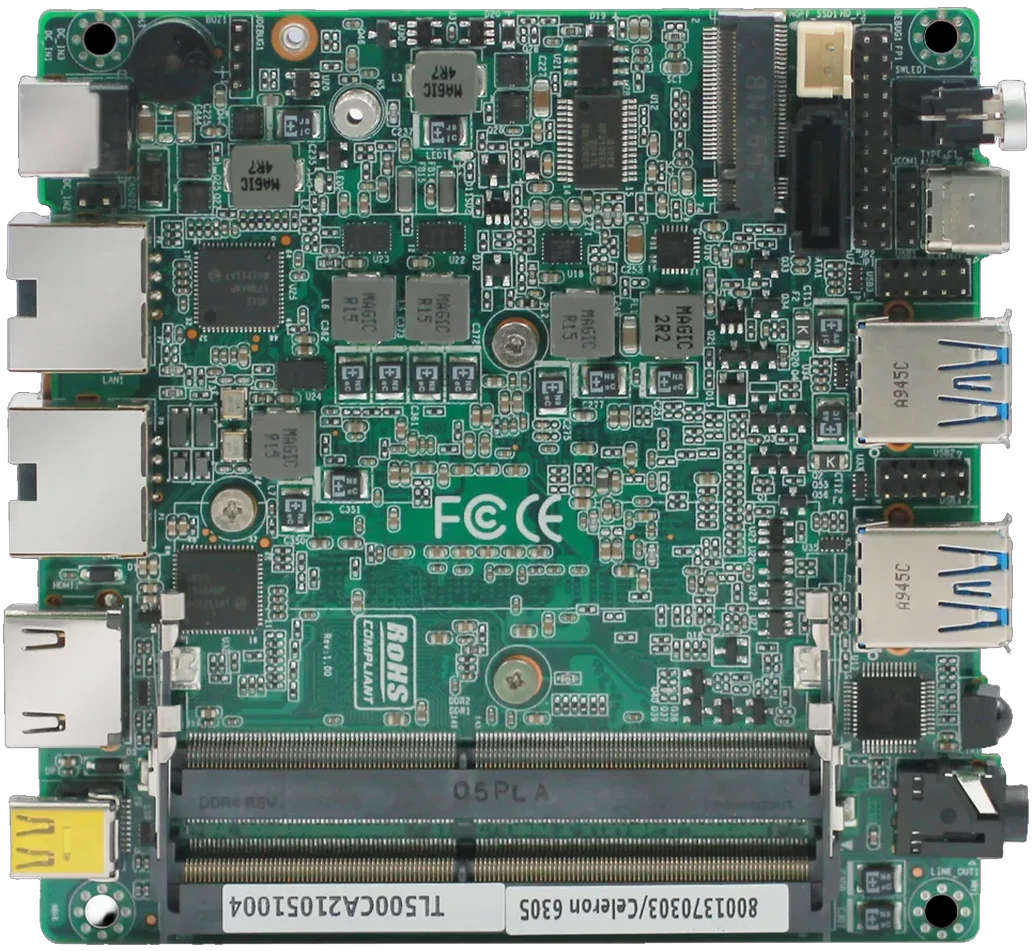
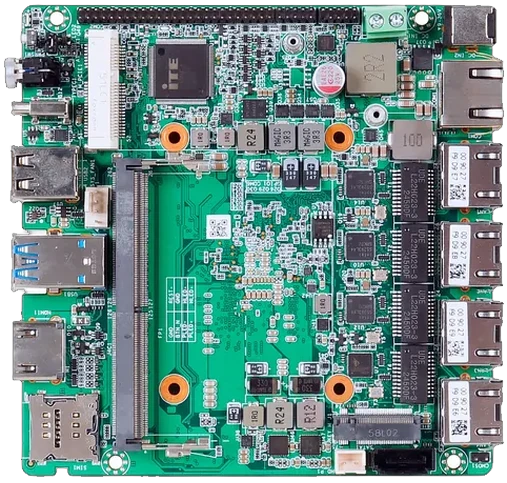
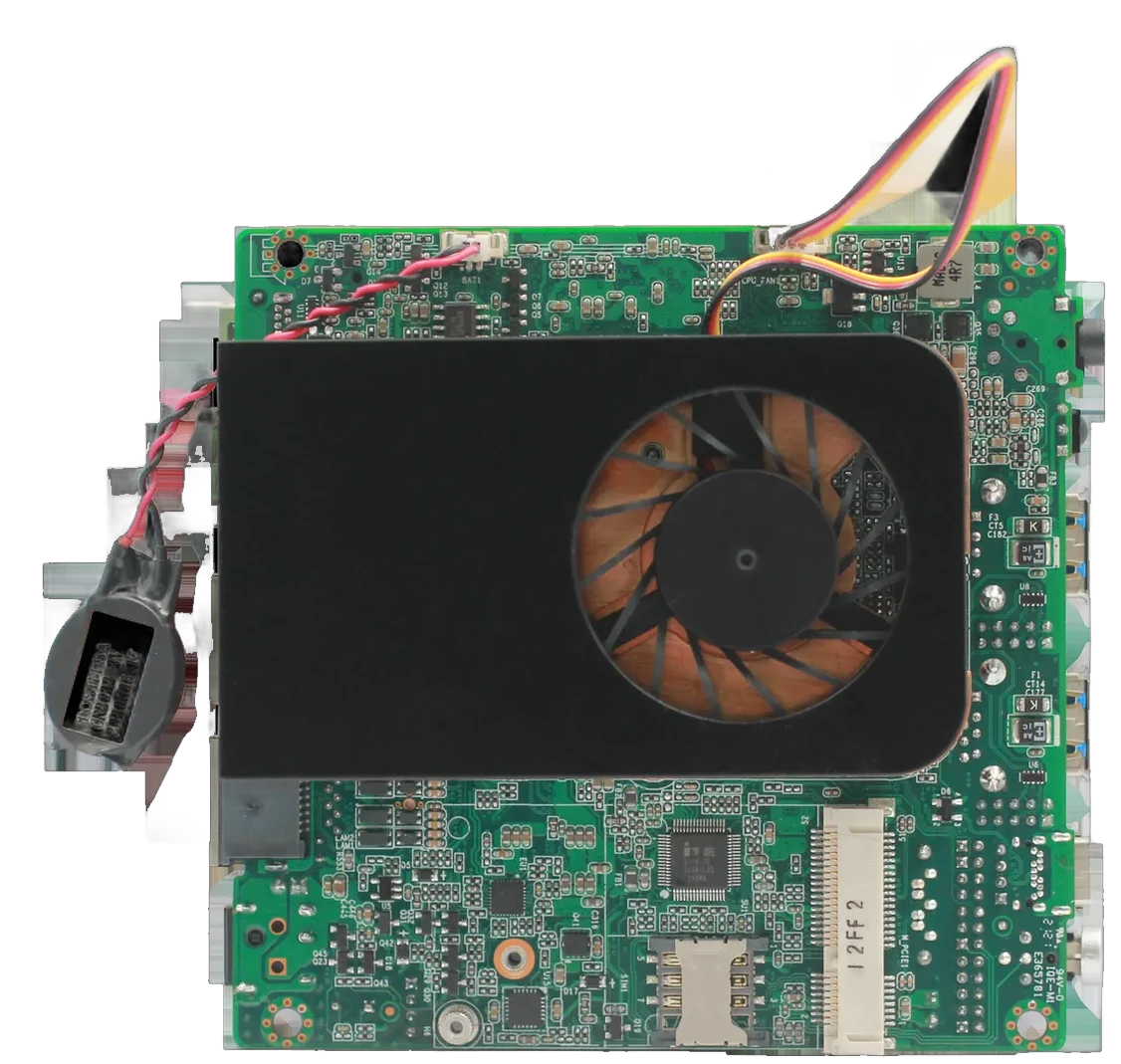
NANO and NUC connector sides.
Display and assembly / two checks
Display paths and heatsink clearance.
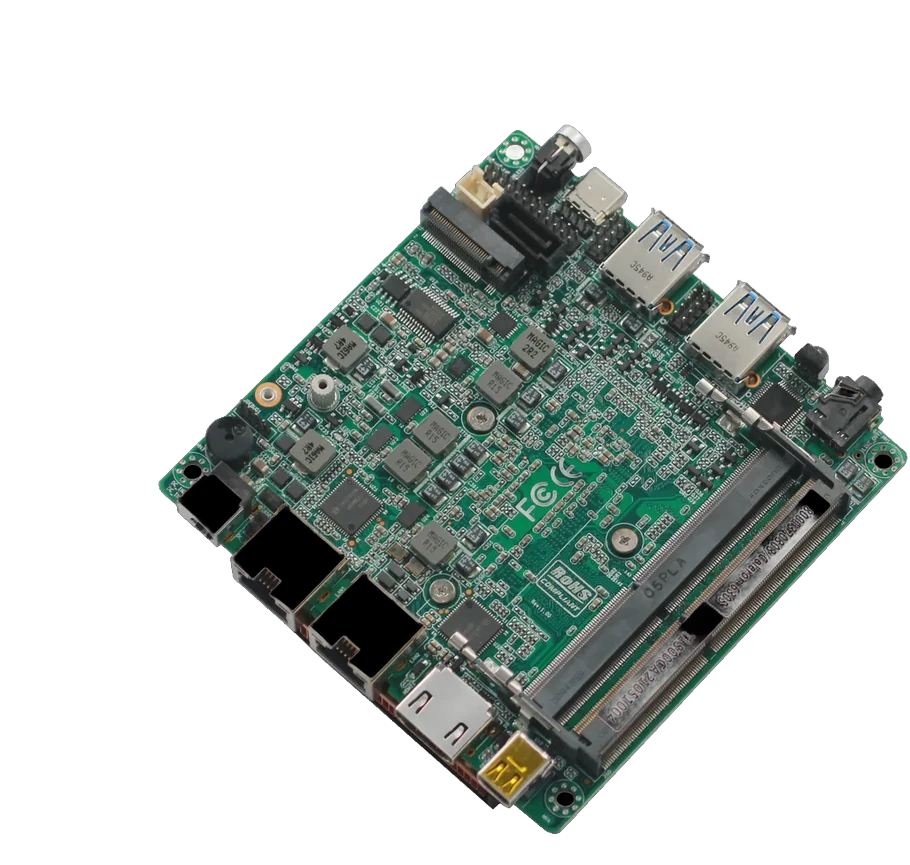
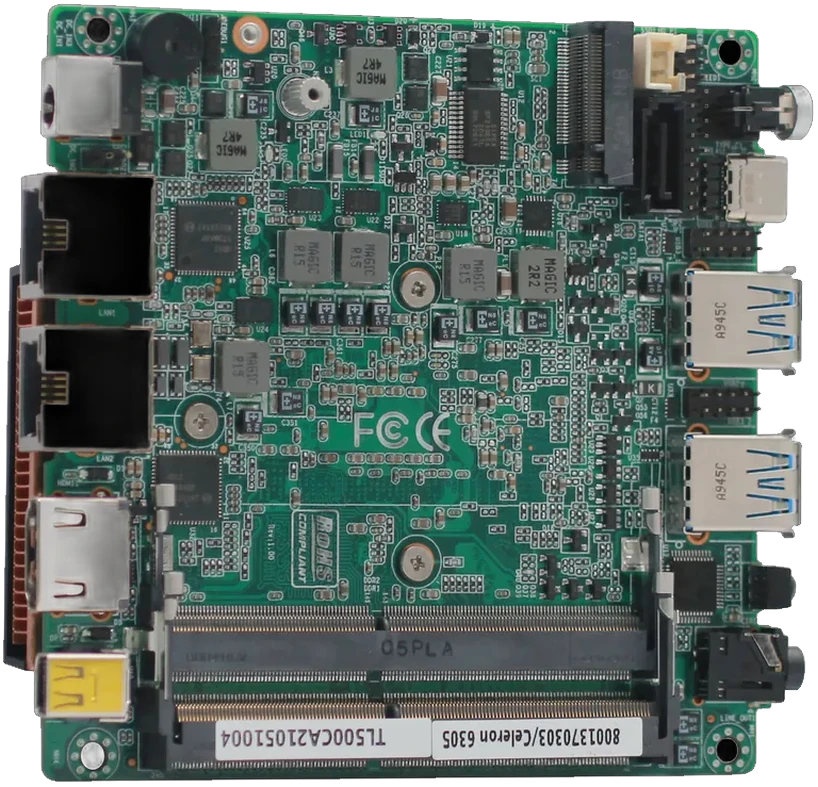
AD30NU uses a 6 W N100, PNM-5210 a 15 W part and TL500CA 28 W. Lower power simplifies the enclosure; heatsink and airflow remain the integrator's design.
Board rating −20 to +60 °C; enclosure is separate.
Manufacturing partner / evidence
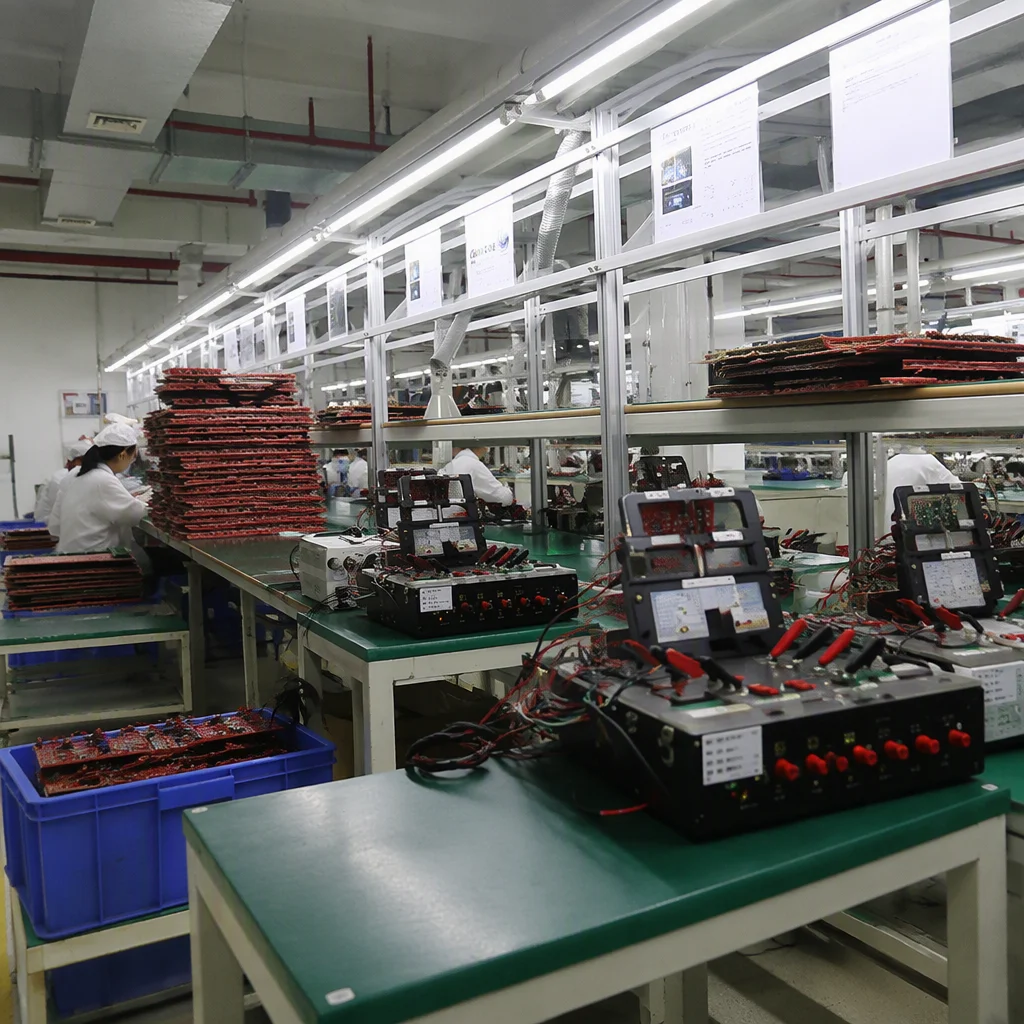
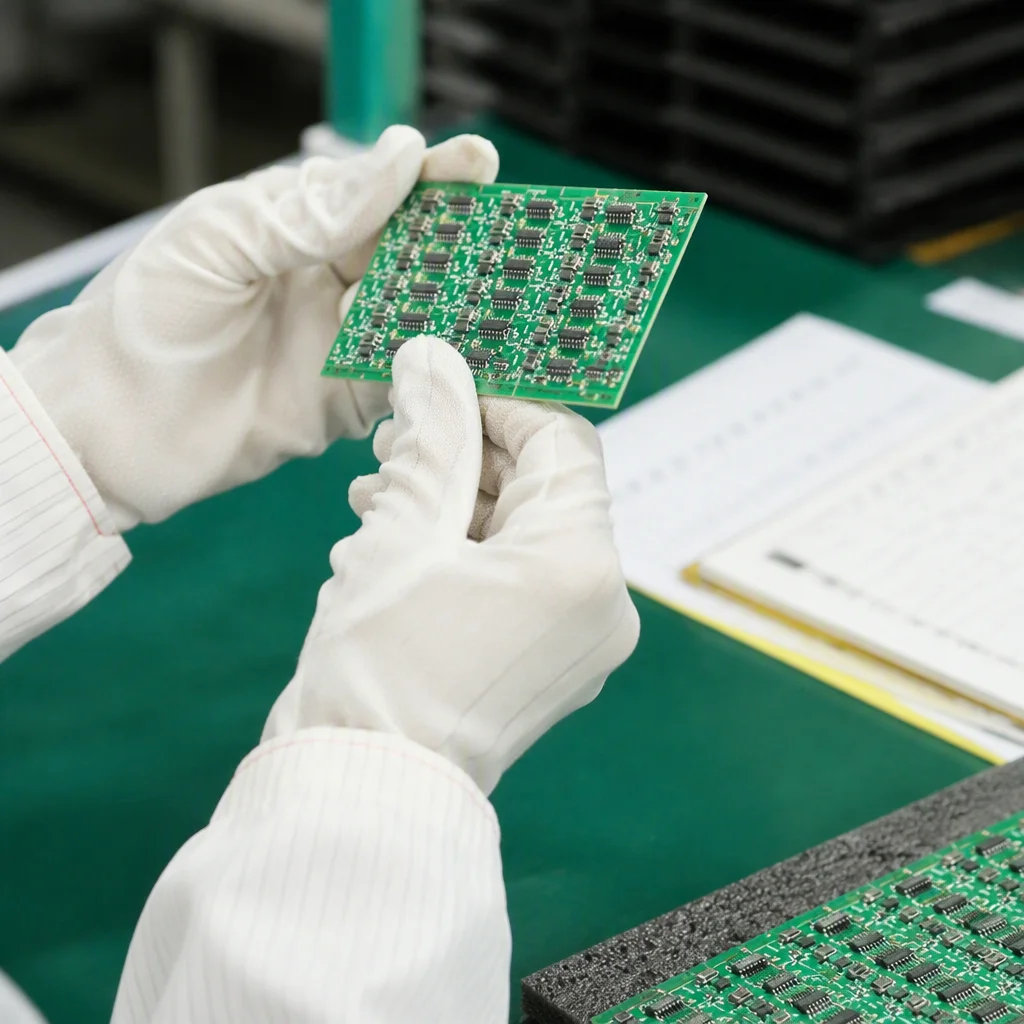
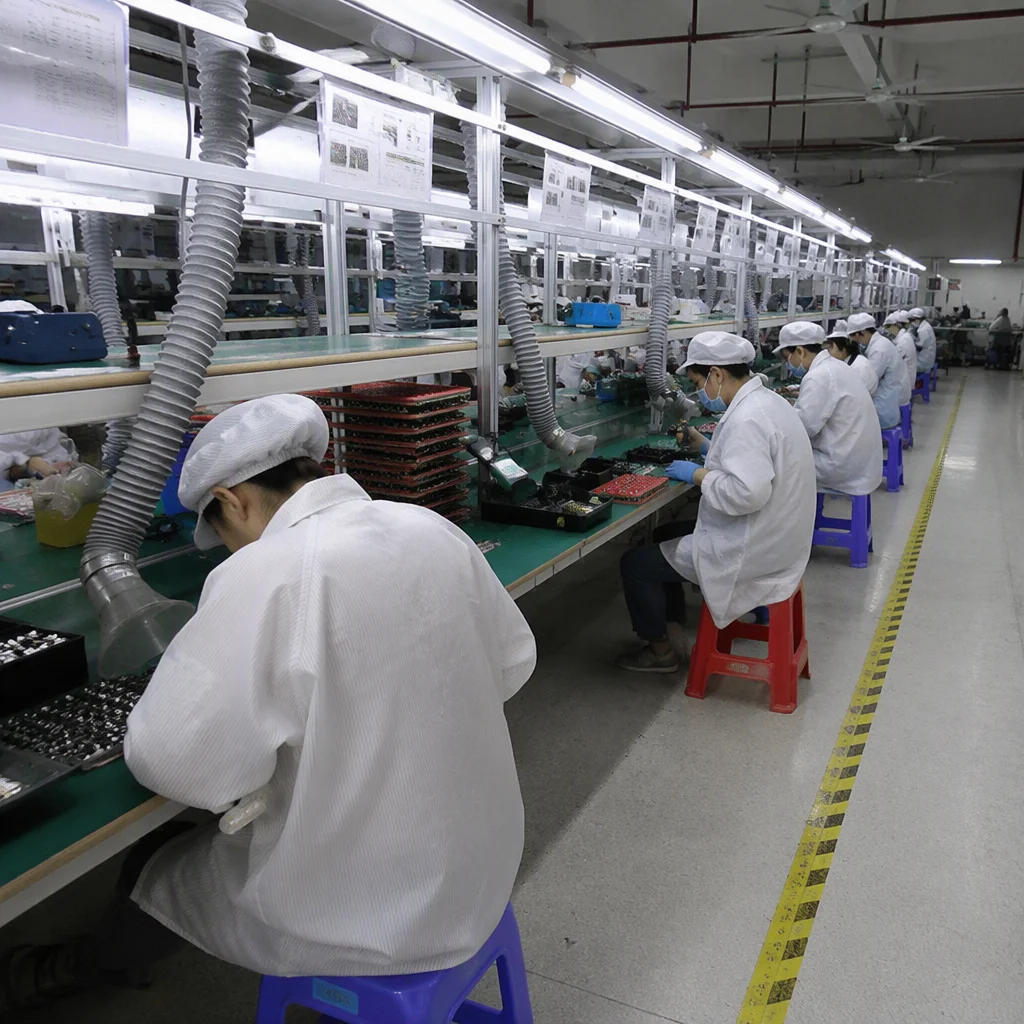
Board test and inspection.
Adjacent routes / other envelopes
Other envelopes.
Before the inquiry
Certification and isolation doubts, answered.
Is the board certified as a medical device?
No. The board is not medical-grade and not certified as a medical device; the device maker certifies the system.
How is patient isolation handled?
2× MOPP at 240 V sets ~8 mm creepage and 5 mm clearance. The barrier is equipment design; the board sits behind it and does not provide isolation.
Which board for a fanless imaging device?
AD30NU at 6 W or PNM-5210 at 15 W; TL500CA is the 28 W NUC option. Enclosure and heatsink remain the integrator's design.

Next step / medical devices
Send the power budget and the I/O count.
AD30NU is the low-power default. Send LAN and COM count, DC rail and enclosure; we reply with the closest configuration. Quote within 24–48 h.
Not medical-grade and not certified as a medical device; the device maker certifies.